



Evaluating AI Chatbot Effectiveness Using Performance Metrics
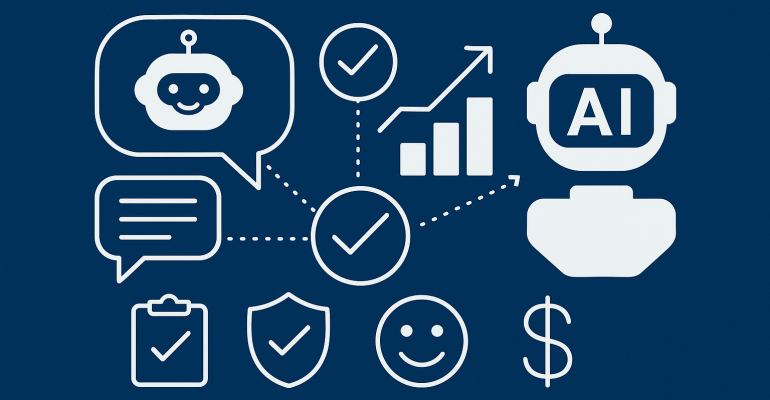
Evaluating AI Chatbot Effectiveness Using Performance Metrics
 Bac Bui
1. Introduction to the Importance of Evaluating AI Chatbot Effectiveness
In the digital era, AI chatbots have become essential tools for businesses to optimize customer communication. However, to ensure they deliver real value, evaluating AI chatbot effectiveness through measurable performance metrics is critical. Without a clear measurement system, it’s hard to determine whether a chatbot is performing well or needs improvement.
2. Why Measuring AI Chatbot Development Effectiveness is Essential
Measuring effectiveness helps businesses:
- Determine if chatbot objectives are being met.
- Identify weaknesses, errors, or undesirable behavior.
- Optimize content and conversation scripts.
- Improve user experience.
- Optimize operational costs and increase ROI.
3. Key Metric Groups for Evaluating AI Chatbot Performance
3.1 Operational Performance Metrics
- Automation Rate: Percentage of queries handled without human intervention.
- Average Response Time: The speed at which the chatbot responds to users.
- System Error Rate: Number of times the chatbot fails to respond or encounters technical issues.
3.2 Interaction Quality Metrics
- Answer Accuracy: Percentage of responses that are correct or meet user expectations.
- Context Retention: Ability to maintain a smooth, relevant conversation flow.
3.3 Customer Experience Metrics
- CSAT (Customer Satisfaction Score): User satisfaction after interacting with the chatbot.
- NPS (Net Promoter Score): Likelihood that users will recommend the chatbot/service to others.
- Retention Rate: Percentage of users returning to use the chatbot.
3.4 Business Impact Metrics
- Conversion Rate: Percentage of users completing desired actions (purchase, registration, form submission).
- Revenue Generated: Monetary value contributed by the chatbot.
- Cost Savings: Reduction in staffing costs due to automation.
4. Methods for Measuring AI Chatbot Effectiveness
- Analyze conversation logs from the chatbot system.
- Survey users after each interaction session.
- Use behavior analytics tools (heatmaps, session replays).
- Integrate data from CRM and customer management systems.
5. Tools for Evaluating AI Chatbot Development Effectiveness
- Google Analytics: Track traffic and user behavior.
- Botanalytics: Specialized in chatbot conversation analysis.
- Dashbot: Provides interaction KPIs and deep user experience analysis.
- Power BI / Tableau: Visualize performance data effectively.
6. Strategies to Optimize AI Chatbot Performance Based on Data
- Collect data from all customer touchpoints.
- Analyze trends, behaviors, and common issues.
- Adjust conversation flows and language processing algorithms.
- Retrain AI models to improve accuracy.
- Continuously run A/B tests to compare improvements.
7. Conclusion
Evaluating AI chatbot effectiveness using performance metrics is crucial for ensuring they truly serve business goals. Companies should set clear KPIs, use the right analytics tools, and continuously optimize. AI Chatbot Development is not just about deployment—it’s an ongoing improvement process driven by real-world data.